
What Twin Cities Homeowners Should Know
Roof Repair Or Full Replacement, How To Know Which One You Need
What This Guide Covers
Making An Informed Decision, Not A Guess
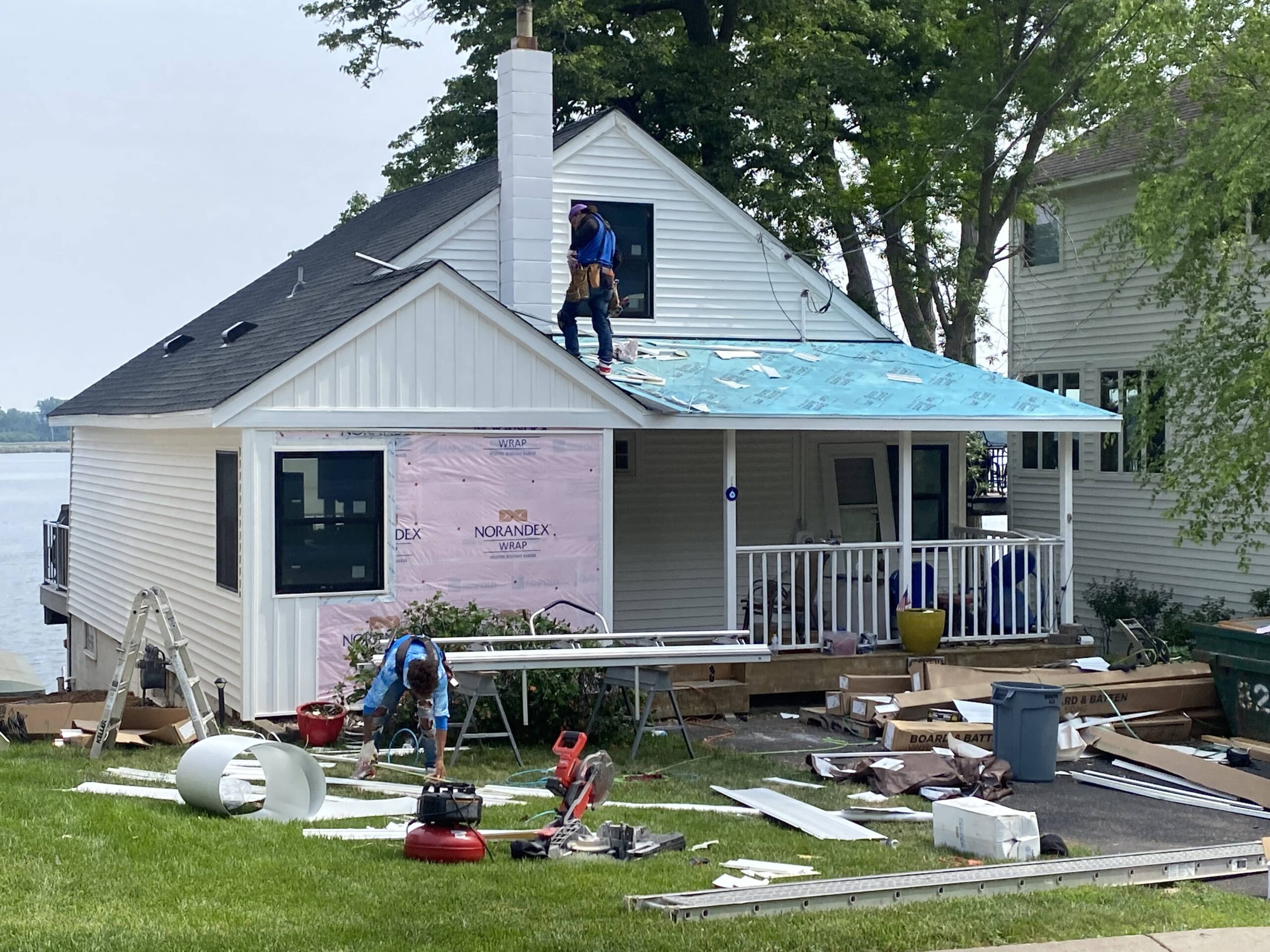
Deciding between a roof repair and a full replacement comes down to how much of the roofing system is actually affected, not simply how old the roof is. This guide walks through the signs that point toward each option for Twin Cities and Northwest Metro homeowners, since the wrong call in either direction has real consequences, a repair on a roof that actually needs replacement often becomes the first of several repeat service calls, while replacing a roof that only needed a contained repair means spending significantly more than necessary. The honest answer depends on factors that aren't always visible without a professional inspection, the condition of the decking underneath the shingles, how isolated or widespread the damage actually is, and whether the surrounding material is showing early signs of broader failure. Insurance involvement adds another layer to the decision, since storm damage extensive enough to warrant a claim sometimes makes full replacement the more practical financial choice even in cases where a repair might technically hold. This guide is meant to help homeowners walk into that conversation informed, not to replace an actual inspection, since age and appearance alone rarely tell the full story.
Get Started Today
Protection Today, FOr A Safer Tomorrow
Making The Right Call
Why This Decision Comes Down To Scope, Not Just Age
The decision between repair and replacement isn't really about how old a roof is, it's about how much of the system is actually compromised. A roof can be twenty years old with a single damaged section that repairs cleanly, while a roof half that age can have widespread issues that make repair a temporary fix at best. The real question is whether the problem is contained to a specific, identifiable area, a section of missing shingles, one failed flashing point, an isolated leak, or whether it's spread across enough of the roof that addressing it piecemeal costs more over time than a single replacement. Decking condition matters here too, since a repair assumes the decking underneath is still sound, and if it isn't, the repair itself may not hold. Insurance involvement changes the math as well, since when storm damage is extensive enough, coverage can make full replacement the more practical financial choice even when a repair might technically be possible. Getting an honest answer requires an actual inspection, not a guess based on the roof's age alone.
Signs A Repair Is The Right Call
Damage is contained to one area. A single section of missing shingles, one failed flashing point, or an isolated leak with sound decking underneath is typically a repair, not a replacement.
The rest of the roof is performing well. If the surrounding material shows no signs of granule loss, curling, or age related wear, there's no reason to replace what isn't failing.
The issue was caught early. Catching flashing failure or shingle damage before it causes decking damage keeps the fix contained and affordable.
Signs Replacement Makes More Sense
Repairs are becoming frequent. Multiple repair calls in a short span usually mean the underlying material is failing broadly, not in one isolated spot.
The roof is approaching or past its expected lifespan. Architectural shingles typically carry a 25 to 30 year lifespan, and a roof in that range often has more widespread issues than a single repair can address.
Storm damage is extensive. When hail or wind damage affects a significant portion of the roof, insurance coverage often makes full replacement the more practical option.
Why Homeowners Are Trusting Today's Exteriors
Your Home Deserves A Contractor Who Cares As Much As You Do
At Today's Exteriors we're a lot like Goldilocks and the three bears, just the right size—not too big and not too small. Clients won’t be dealing with a large corporation bogged down by red tape or inflated prices. At the same time, they won’t be working with an inexperienced team. Today’s Exteriors has the expertise and resources to manage all of your roofing or home exterior projects from start to finish. Aaron Johnston along with his wife, Nicki, and brother, Addison, the dedicated team behind Today’s Exteriors, have been delivering excellence to their Maple Grove community for over +25 years, this company has been their passion. Aaron personally supervises every project to ensure that clients receive exceptional customer service and quality installation. When customers work with Today’s Exteriors, they benefit from the owners’ personal attention and always know who to contact if questions arise.
Ready TO Transform Your Home Or Property?
FAqs
Common questions Your Neighbors Are asking
Can a roof be partially replaced instead of fully?
In some cases, but matching new material to aged shingles isn't always achievable, and manufacturers periodically discontinue exact colors and product lines.
How do I know if my decking is damaged?
Decking issues usually aren't visible until material comes off, which is why a professional inspection matters more than a visual guess from the ground.
Is replacement always more expensive than repair upfront?
Yes, but repeated repairs on a failing roof can cost more cumulatively than one replacement, especially once decking damage from an unaddressed leak enters the picture.
Your Hometown Hero. Serving The GReater NW Metro Since 1998.
Maple Grove MN
Plymouth MN
Rogers MN
Corcoran MN
Dayton MN
Elk River MN
Otsego MN
Monticello MN
St Michael MN
Albertville MN

Quick links
The Twin Cities' #1 Exteriors Contractor. Proudly Serving Maple Grove, MN and the surrounding NW Metro Since 1998.
MN Contractor License #BC387451
Copyright 2026. Today's Exteriors. All rights reserved.